Prepping for a Global Conference? Your English Survival Guide
Master English for conferences with our comprehensive guide. Learn networking scripts, ask questions, and present confidently for global events.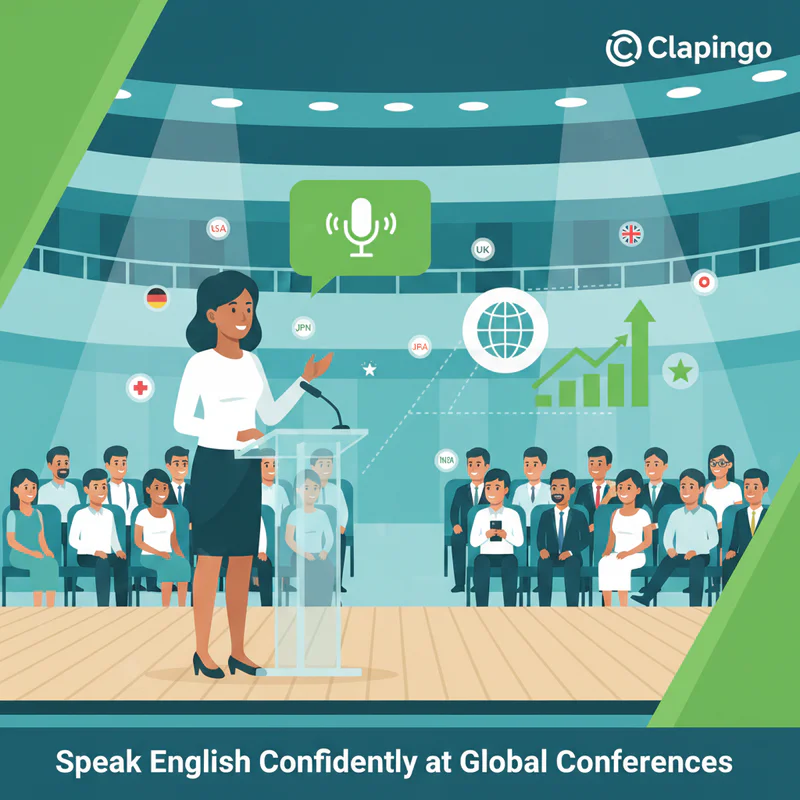
Attending a global conference can be exhilarating yet daunting, especially if English is not your first language. Whether you’re a professional, entrepreneur, or academic, strong English for conferences skills are vital. From networking effectively to asking insightful questions and presenting confidently, this guide will equip you with the tools to shine at any global event.
Why English Matters in Global Conferences
English has become the lingua franca of international events. Being proficient in English for conferences enables you to:
Connect with international peers and potential collaborators.
Convey ideas clearly during presentations and Q&A sessions.
Engage confidently in panel discussions and workshops.
Maximize your professional exposure and opportunities.
Even if you are fluent in your field, global event preparation in English ensures your knowledge and ideas are communicated without barriers.
Key Areas to Focus on Before a Global Conference
Preparation is the key to success. Here are the essential areas to work on:
Networking Like a Pro: Scripts and Strategies
Networking is an art that requires preparation and confidence. Here’s how to approach it:
1. Crafting Your Elevator Pitch
Your pitch should be 30–60 seconds, concise, and memorable.
Example: "Hi, I’m Keesha, a marketing strategist with a focus on AI-driven campaigns. I’m exploring collaborations in tech marketing, and I’d love to hear about your work."
2. Initiating Conversations
Start with context: "I noticed your talk on digital innovation—it was fascinating. How did you develop those strategies?"
Use open-ended questions to invite dialogue.
3. Follow-Up Phrases
"It was great meeting you; may I connect on LinkedIn?"
"I’d love to discuss this further via email—what’s the best way to reach you?"
Clapingo Tip: Practice networking scripts with a tutor to gain real-time feedback and boost your confidence in live scenarios.

Asking Questions Confidently in Panels and Workshops
Asking questions demonstrates engagement and thought leadership. Here’s how to excel:
Preparation: Research speakers and sessions beforehand.
Polite Framing: Start with appreciation: "Thank you for the insightful presentation…"
Clear and Concise: Ask focused questions that show critical thinking.
Follow-Up Engagement: If time allows, add your perspective or a related question.
Examples of Questions:
"How do you envision AI impacting [Industry] in the next 5 years?"
"Could you share a challenge you faced while implementing this strategy and how you overcame it?"
Clapingo Tip: Role-play Q&A sessions with a tutor to refine your tone, clarity, and confidence.
Presenting at a Global Conference
Delivering a successful presentation requires preparation, practice, and presence.
Pre-Presentation Checklist
Ensure slides are clear, concise, and visually engaging.
Practice pronunciation of key technical terms.
Time your presentation and anticipate questions.
Plan for audience engagement: polls, questions, or short activities.
Presentation Tips
Speak slowly and clearly.
Use simple sentences; avoid complex jargon unless necessary.
Maintain eye contact and open body language.
Pause for emphasis and to allow the audience to process information.
Pro Tip: Record your practice sessions and analyze your tone, pace, and clarity.
Clapingo Tip: Tutors can simulate conference scenarios to practice presentations, helping you handle nerves and refine delivery.
Small Talk and Informal Interactions
Conversations outside sessions are equally important for building connections.
Topics to Explore:
Industry trends and news.
Keynote speakers and their sessions.
Shared experiences during the conference.
Phrases for Small Talk:
"Which session are you most excited about today?"
"How do you see [trend] shaping our industry?"
"Have you attended this conference before?"
Did You Know: Informal interactions often lead to the most meaningful connections at global conferences.

Cultural Etiquette and Professional Conduct
Being aware of cultural norms enhances your professional image:
Greet with respect according to local norms.
Avoid slang that may confuse international peers.
Be mindful of personal space and gestures.
Respect time by being punctual for sessions and meetings.
Pointers:
Research the host country’s conference etiquette.
Observe how experienced attendees interact.
Adjust your tone and formality based on the audience.

English Survival Phrases for Global Events
Here are essential phrases you can use during the conference:

Tips and Tricks for Effective Global Conference Communication
Prepare in Advance: Research sessions, speakers, and attendees.
Practice Speaking: Rehearse introductions, networking scripts, and presentations.
Use Simple English: Avoid overly complex sentences for clarity.
Listen Actively: Engage by taking notes and responding thoughtfully.
Stay Calm: Take deep breaths before speaking; pause when needed.
Clapingo Tip: Schedule short, focused sessions with a tutor for targeted improvement before the event.
Final Thoughts
Excelling in English at global conferences is achievable with focused preparation. By mastering networking scripts, asking insightful questions, and presenting confidently, you can maximize your professional impact and leave a lasting impression.
Remember, practice makes perfect. Utilize Clapingo to refine your skills, receive personalized feedback, and gain the confidence to communicate effectively on any global stage.